

Flagstaff House Museum of Tea Ware: A Living Heritage of Tea and Craft
Tucked within the greenery of Hong Kong Park, the Flagstaff House Museum of Tea Ware stands as one of the city’s most quietly distinctive cultural institutions. Amid the hustle and bustle of Hong Kong, this colonial building offers a slower rhythm shaped by ritual, craftsmanship, and centuries of tea culture.
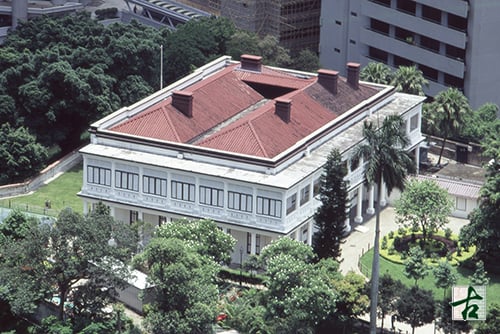
Source: Antiquities and Monuments Office
Originally constructed between 1844 and 1846 as the residence of the Commander of British Forces, Flagstaff House is the oldest surviving Western-style building in Hong Kong. Its restrained Greek Revival architecture, with wide verandas and balanced proportions, reflects an early chapter of the city’s colonial history. Following its declaration as a monument in 1989, the building has evolved from a symbol of colonial authority to a space dedicated to cultural preservation and exchange.
Opened in 1984 as a branch of the Hong Kong Museum of Art, the museum is dedicated entirely to the art of tea ware, an area deeply embedded in Chinese cultural life. The foundation of its collection comes from Dr. K.S. Lo, whose donation is now considered one of the world’s most comprehensive tea ware collections.
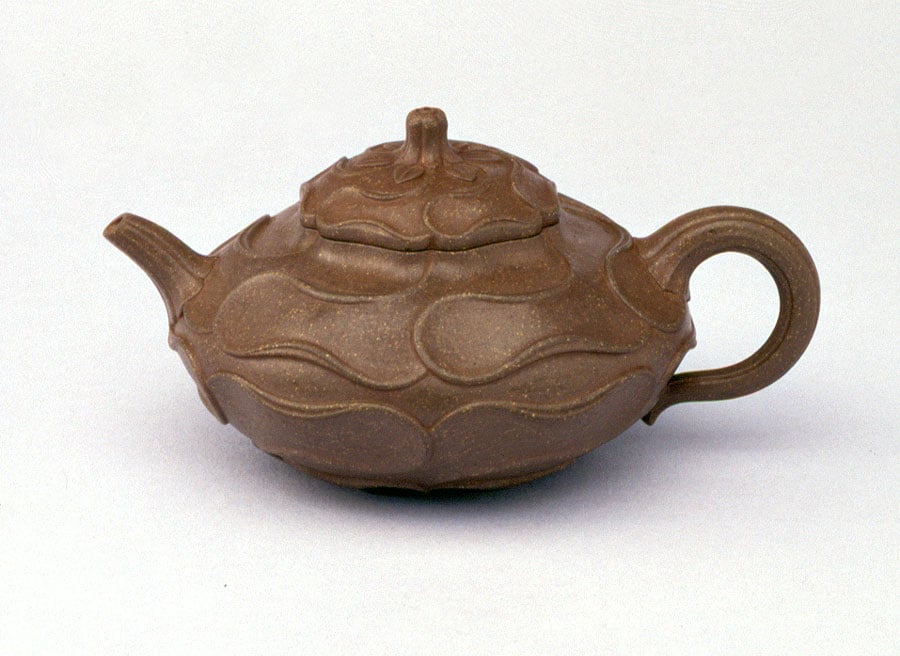
Teapot of melon shape with swirling pattern in relief
Inside, the museum traces the evolution of tea ware across dynasties, with around 600 tea vessels and related relics, dating from the Western Zhou dynasty to the twentieth century. The collection highlights not only changing styles and techniques, but also how tea drinking developed from a daily activity into an important social and cultural practice. The accompanying K.S. Lo Gallery expands on this history through ceramics, seals, and scholar objects connected to tea culture and Chinese literati traditions.
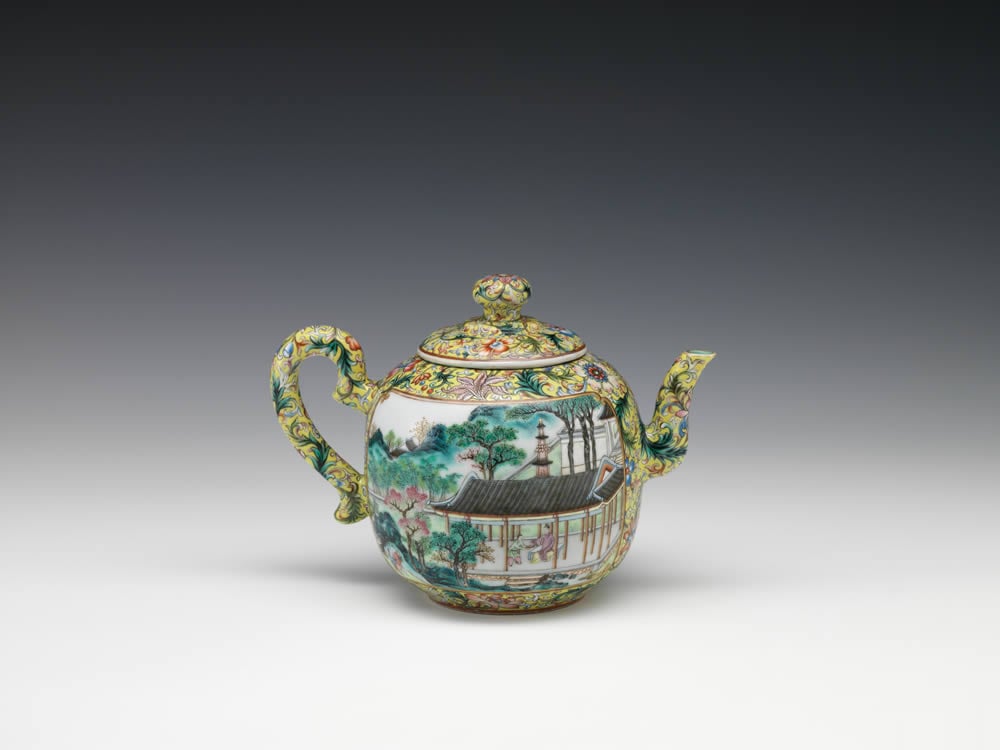
Teapot with tea-serving scene and calligraphy inside reserved panels in fencai enamels on yellow ground
Yet the museum is not solely focused on preservation. Through regular demonstrations, workshops, and public programmes, visitors are invited to experience traditional tea preparation firsthand, reinforcing tea culture as something living and continually practiced rather than confined to display cases.
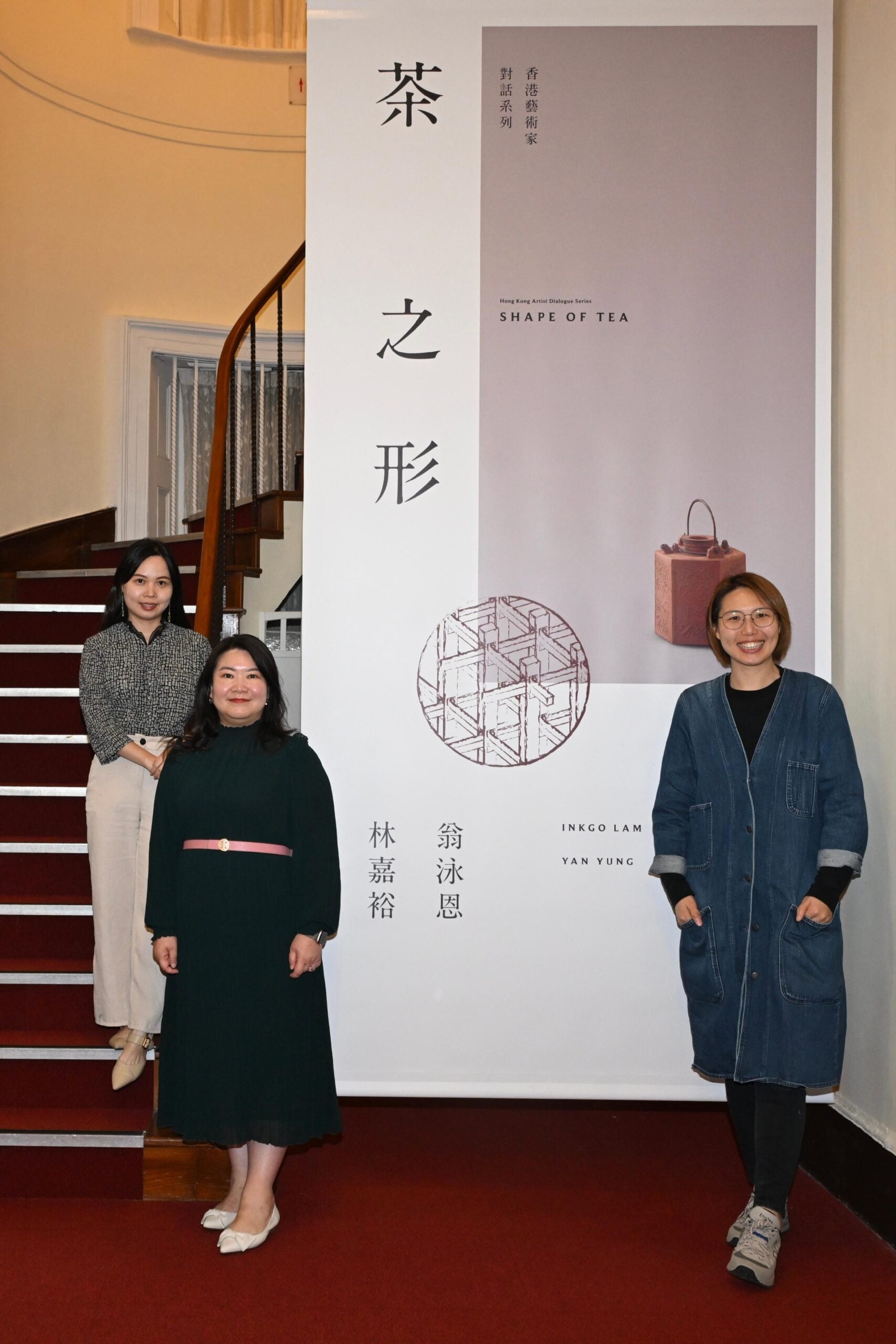
“Hong Kong Artist Dialogue Series: Shape of Tea” exhibition: Curator (Chinese Antiquities) of the Hong Kong Museum of Art, Ms Hilda Mak (centre), with wood artist Yan Yung (left) and bamboo artist Inkgo Lam (right).
This dialogue between tradition and contemporary interpretation is also reflected in the museum’s recent exhibition, Hong Kong Artist Dialogue Series: Shape of Tea, which opened in November of 2025. Alongside the curated selection featuring 35 sets of teawares, Hong Kong wood artist Yan Yung and bamboo artist Inkgo Lam, drawing inspiration from the museum’s historic collections, created new tea ware installations that combine traditional craftsmanship with contemporary artistic expression. The exhibition is further complemented by demonstrations, workshops and talks that offer visitors a closer look into the artists’ creative processes, materials, and techniques, creating a more direct connection between contemporary makers and traditional craft heritage.
As part of Hong Kong’s broader network of heritage institutions, from historic mansions to maritime and medical museums, the Flagstaff House Museum of Tea Ware offers a different perspective on cultural history. Rather than focusing on major historical events, it explores the everyday rituals and objects that shape collective memory and identity. In doing so, the museum presents tea culture not simply as tradition, but as an ongoing part of Hong Kong’s cultural life.
* * *
Flagstaff House Museum of Tea Ware
10 Cotton Tree Drive, Central, Hong Kong Island (Inside Hong Kong Park)
Website: https://hk.art.museum/en/web/ma/tea-ware.html