
Dear You: The Teochew-Dialect Film That Became a Sleeper Hit
Dear You (Simplified Chinese: 给阿嬷的情书; Traditional Chinese: 給阿嬤的情書) is a Chinese family drama film directed and co-written by Lan Hongchun, released in Shantou on April 17, 2026.
Produced on a relatively low budget of 14 million yuan, this Teochew-dialect film became a sleeper hit. After dominating the domestic box office in China, Dear You expanded overseas and was released in Hong Kong theatres on June 18, 2026.
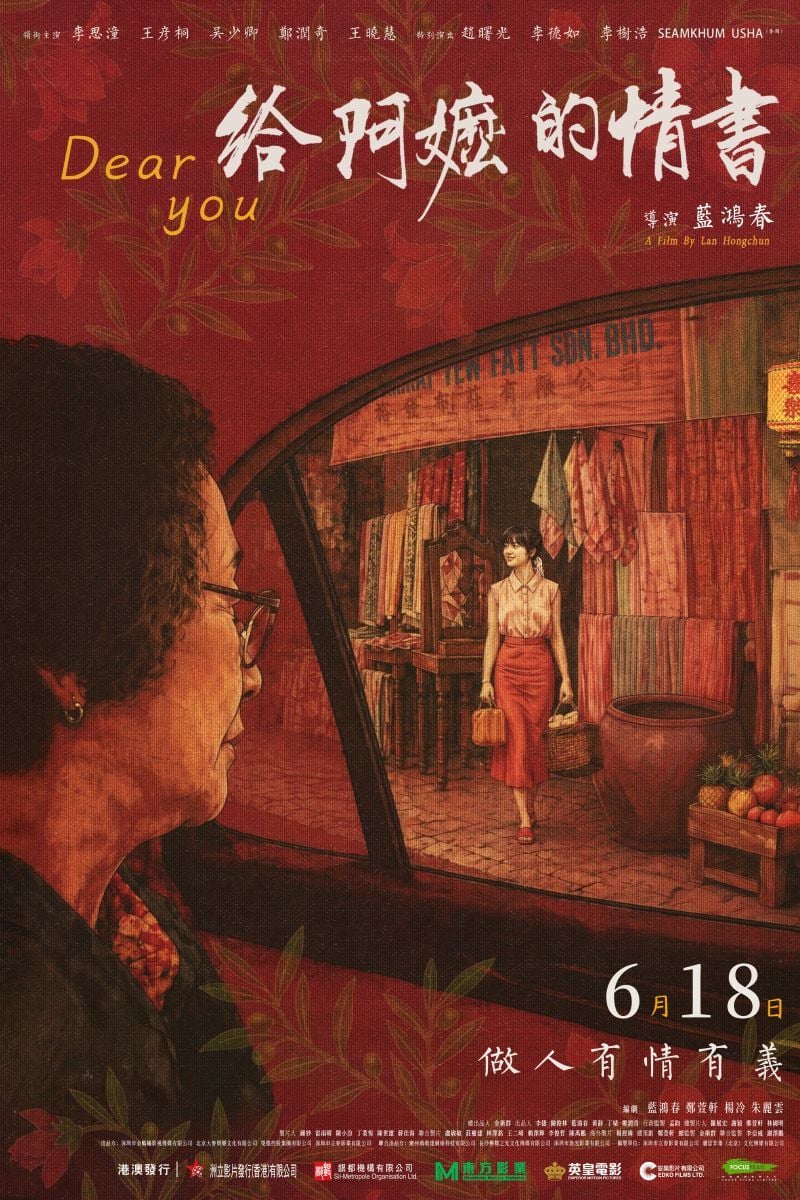
“Dear You” Hong Kong Theatrical Release Poster
Synopsis
When Xiaowei secretly travels to Thailand to find his supposedly wealthy grandfather, he uncovers a family-shattering secret: his grandfather passed away fifty years ago. For decades, the moving love letters that sustained his grandmother Shurou’s hopes were written by a complete stranger. This unexpected investigation unveils a breathtaking, half-century-old romance that deeply shakes the grandmother’s heart.
(source: Broadway Circuit Hong Kong Cinemas)
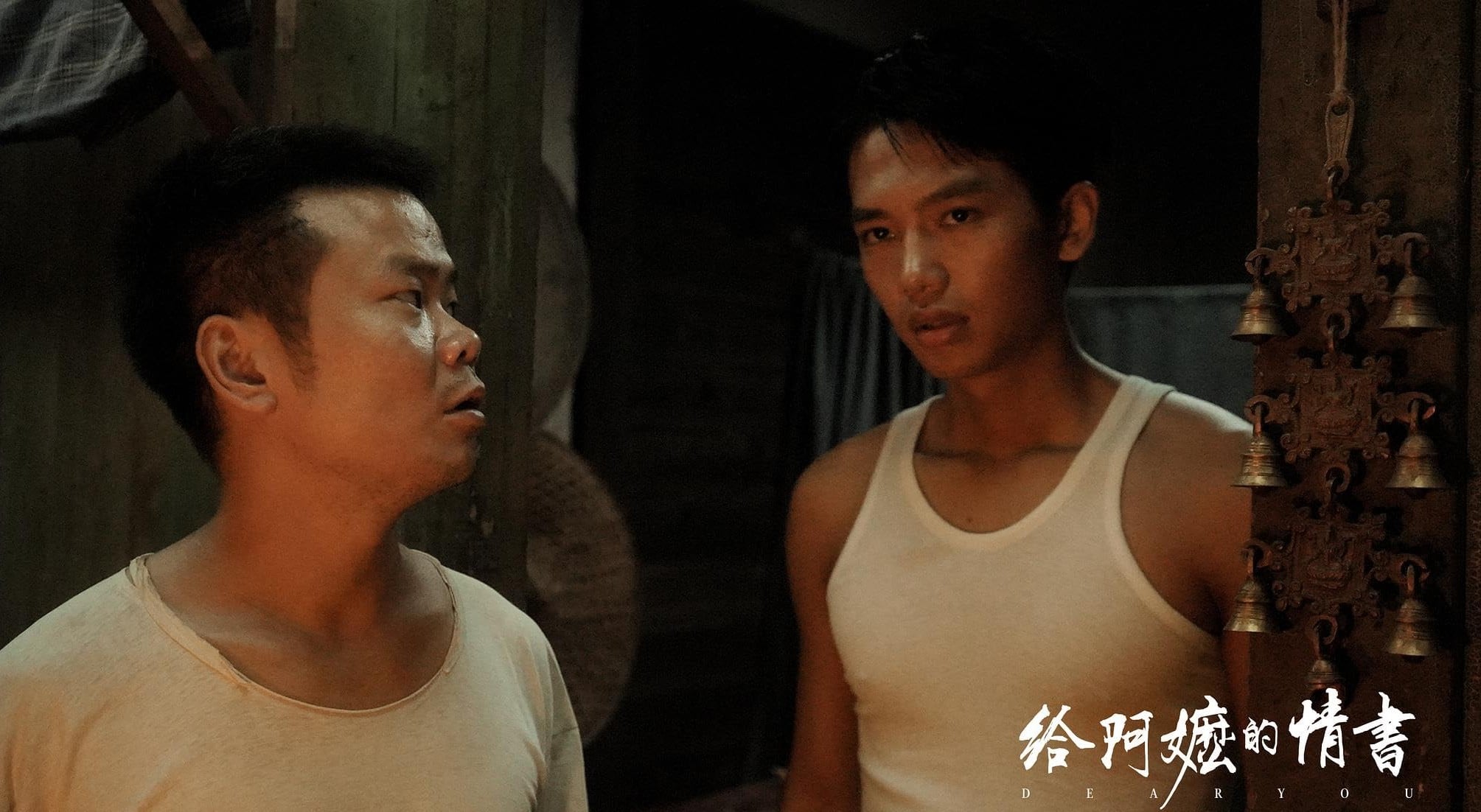
Wang Yantong in Dear You. Source: IMDB
Cultural resonance, universal echoes
At its heart, Dear You is a deeply moving tribute to the Chaoshan (Teochew) people and the broader Chinese diaspora.
Though not based on a single true story, the film draws richly from real-life experiences of overseas Chinese migrants, incorporating authentic details from qiaopi – the personal letters sent home by relatives abroad that carried not only money, but also news and enduring affection across vast distances.
The movie portrays the universal hardships of migration: the pain of separation, the struggle to survive in foreign lands, and the quiet strength of those who left everything behind to support their families. Its emotional resonance and success stem from these timeless themes of identity, homesickness, and cultural roots.
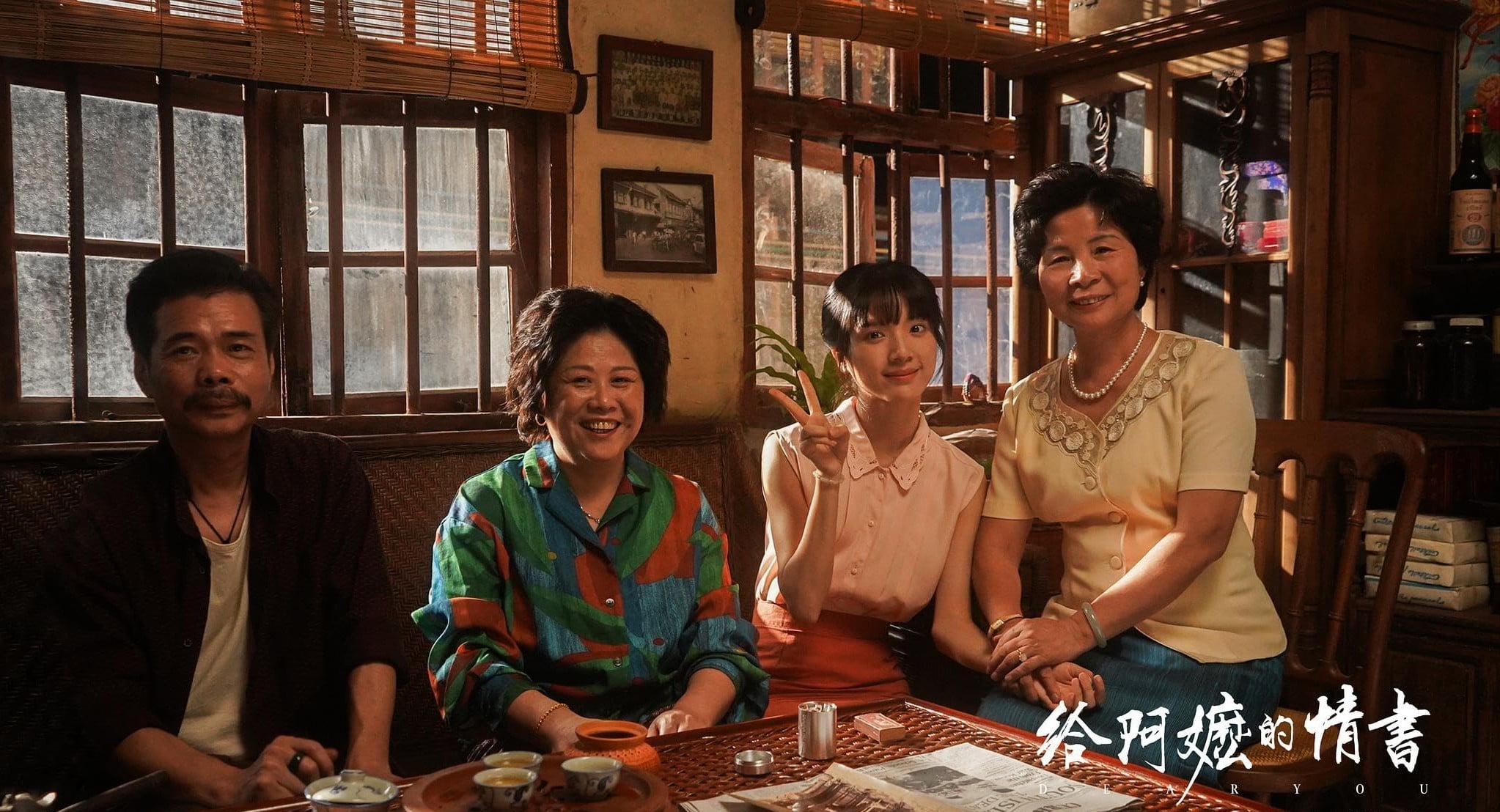
Fang Peisong, Li Deru and Li Sitong in Dear You. Source: IMDB
The Teochew community: a brief history
The Teochew people, also known as Chaoshanese, are a Han Chinese sub-ethnic group originating from the Chaoshan region on the eastern coast of Guangdong Province, China. Their ancestors migrated southward from northern and central China during periods of war and famine, particularly from the Tang and Song dynasties onward. Over time, they developed a distinctive maritime culture centred on trade – especially in porcelain – and speak their own unique Southern Min dialect.
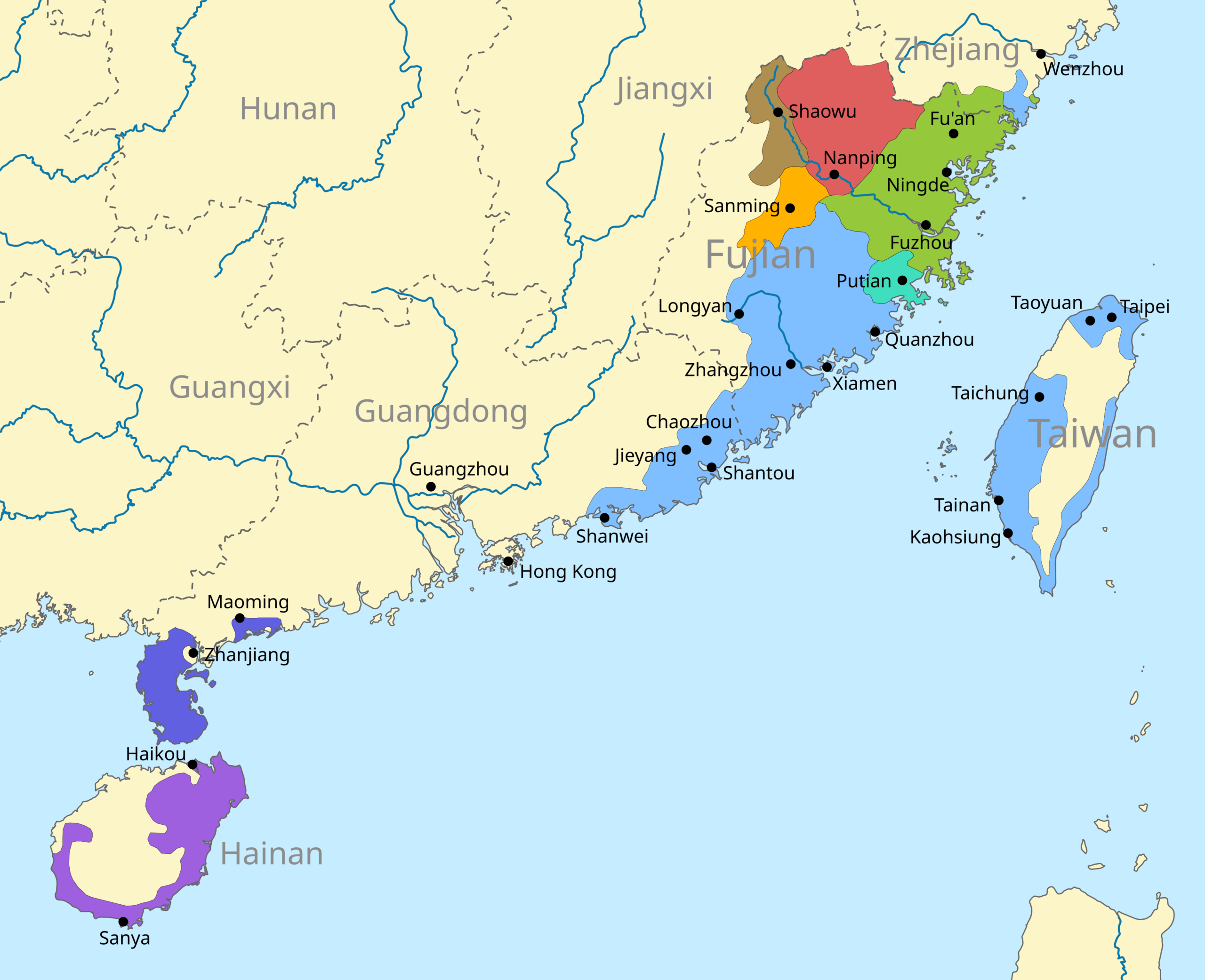
Map of Min dialect groups identified by the Language Atlas of China (Source)
The spelling “Chiuchow” (or Chiu Chow) is an alternative romanisation derived from the Cantonese pronunciation of “Chaozhou.” It became widely used through British colonial records and remains common today in Hong Kong, Cantonese-speaking communities, and in references to Chiu Chow cuisine.
Since the 19th century, large Teochew diasporas have thrived across Southeast Asia, as well as in Hong Kong, North America, Europe, and Australia. Renowned for their entrepreneurial spirit and strong cultural preservation, Teochew communities maintain their heritage through their dialect, clan associations, temples, and distinctive cuisine.
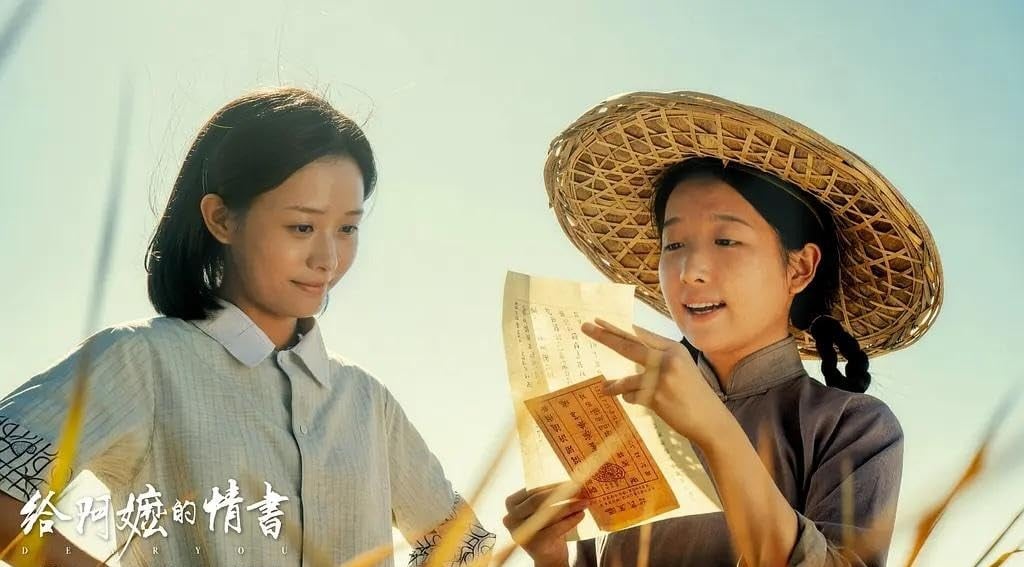
Wang Xiao Hui (left) in Dear You. Source: IMDB
The historical importance of Qiaopi
Qiaopi (literally “overseas Chinese letters” or “remittance letters”), also known as fanpi or yinxin (“silver letters”) in some regions, are unique historical documents that combined personal family correspondence with cash remittances.
In June 2013, the Qiaopi and Yinxin Correspondence and Remittance Documents were inscribed on UNESCO’s Memory of the World Register, first at the Asia-Pacific level, then internationally. As stated on the official page: “They record first-hand the contemporary livelihood and activities of Overseas Chinese in Asia, North America and the Oceania, as well as the historical and cultural development of their residing countries in the 19th and 20th century. They constitute evidence of the Chinese international migration history and the cross-cultural contact and interaction between the East and the West.”
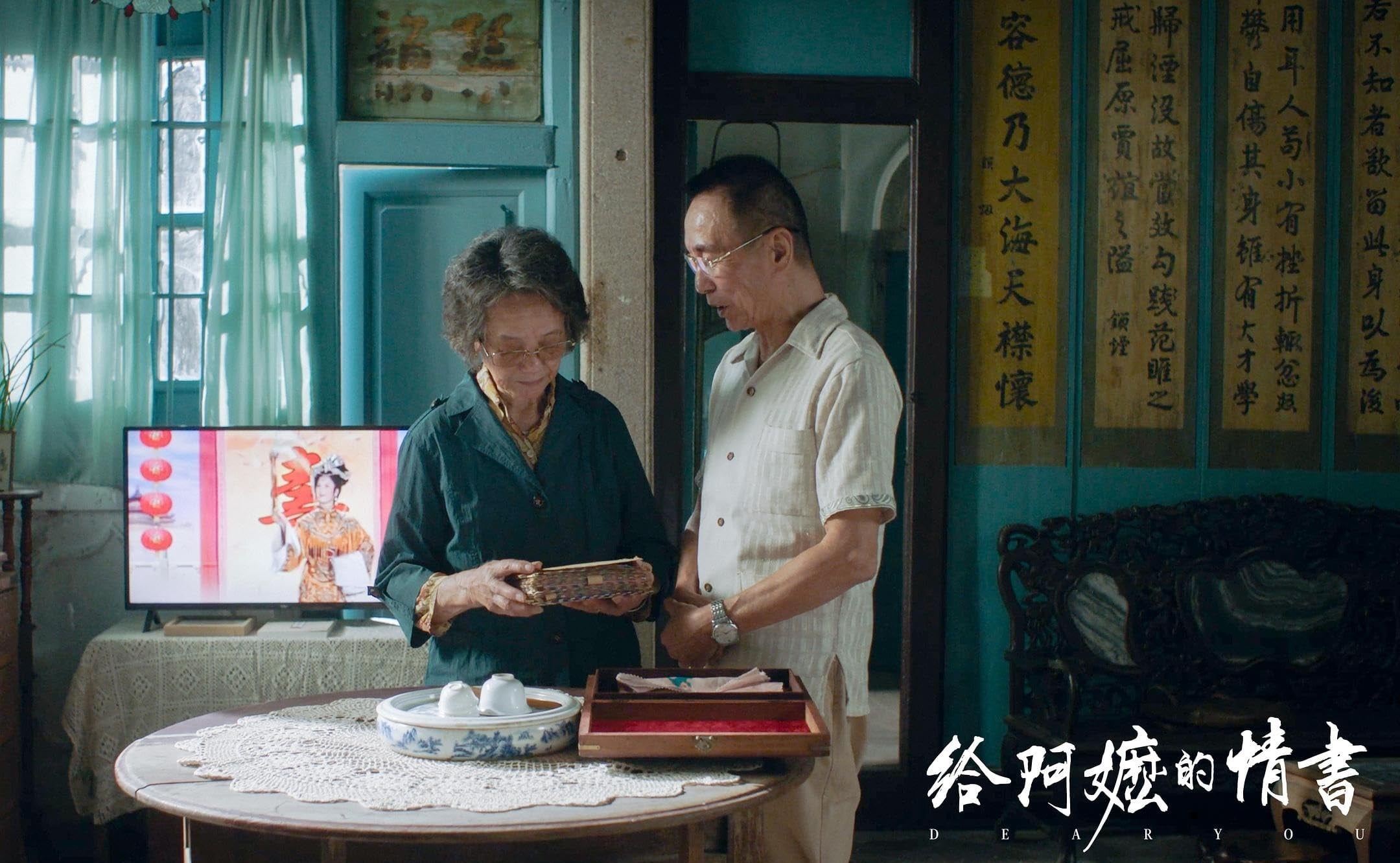
Zhao Shuguang and Wu Shaoqing in Dear You. Source: IMDB
Qiaopi museums near Hong Kong
Across China, several museums and exhibition halls preserve significant collections of qiaopi. Here is below a selection:
- Shantou Qiaopi Museum (Shantou): China’s first museum dedicated to qiaopi, founded in 2004 with the largest collection of over 110,000–120,000 items focused on Chaoshan emigrants.
- Chaozhou Museum, also known as Chaozhou Overseas Chinese Museum (Chaozhou): a branch of the Overseas Chinese History Museum of China (upgraded in 2023), it showcases Chaoshan (Teochew) migration stories.
- China Qiaodu Museum of Overseas Chinese (Jiangmen): it highlights Wuyi emigrants’ history.
- Taishan Overseas Chinese Culture Museum (Taishan, Jiangmen area): holds a notable collection of Taishanese qiaopi.
- Wulin Qiaopi Museum (Jinjiang): situated in the historic Wulin Traditional Village.
Just a short day-trip from Hong Kong, Shenzhen’s Longhua Qiaopi Cultural Exhibition Hall (Longhua District) is housed on the historic site of the former Bao’an County Liyuan Qiaopi Bureau, an old remittance agency.

Dear You (2026). Source: IMDB
* * *
Dear You continues its international rollout: now playing in theaters across North America and parts of Europe including Ireland and the United Kingdom, with its official French release set for early September 2026, marking the next major step in the film’s global success.
* * *
Dear You
Director: Lan Hongchun
Cast: Li Sitong, Wang Yantong, Wu Shaoqing, Zheng Runqi, Wang Xiaohui
118 minutes
Teochew (Chinese and English Subtitles)
Released on 18 June 2026 (Hong Kong)
Watch the international trailer: