
Villa Haw Par to Anchor a New Era of Cultural Exchange in Hong Kong
Nearly a century after its construction, Haw Par Mansion is preparing to open in a way it never has before. Renamed Villa Haw Par, the historic residence will open its doors to the public for the first time in late 2026, reintroduced as a non profit cultural institution and a new site for artistic and intellectual exchange in Hong Kong.
An iconic space in its own right, Villa Haw Par now extends its legacy into the present. Set to become Hong Kong’s Embassy for Culture, the site has been developed in partnership with the Culture, Sports and Tourism Bureau and the Foundation for Art and Culture, co founded by Arthur de Villepin, marking a significant step in repositioning the historic estate within Hong Kong’s evolving cultural landscape.
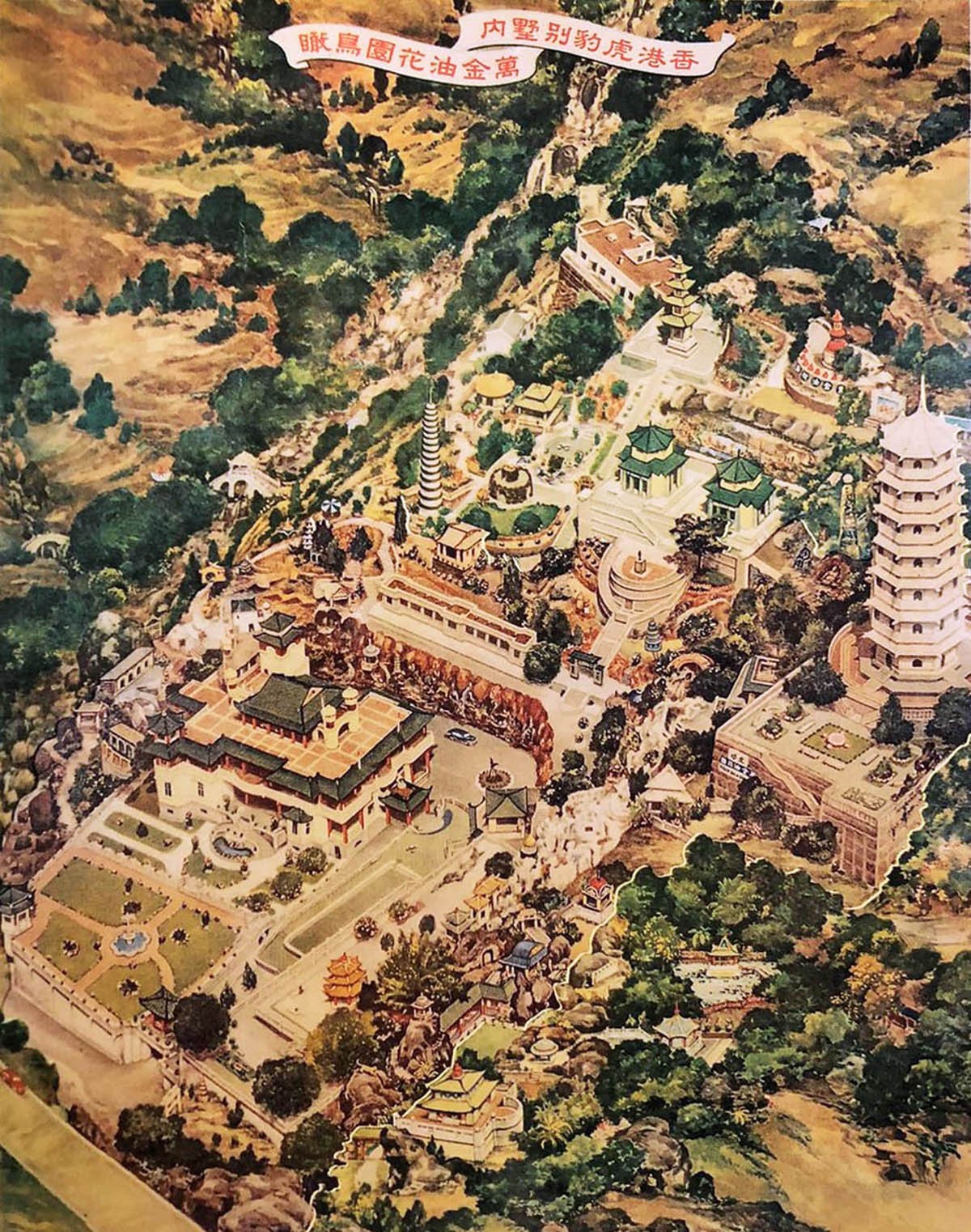
Haw Par Mansion and Tiger Balm Garden, 1940s-50s
Stretching across eight acres of land, Haw Par Mansion and its adjacent garden were originally built in 1935 by Aw Boon Haw, the Burmese Chinese entrepreneur behind Tiger Balm. In 1936, Haw decided to open the gardens to the public, while the mansions continued to be used as a private residence. Tiger Balm Gardens became one of the first public leisure spaces in colonial Hong Kong, where traditional folklore and moral teachings were brought to life through vivid sculptural scenes rooted in Buddhist, Taoist, and Confucian values.
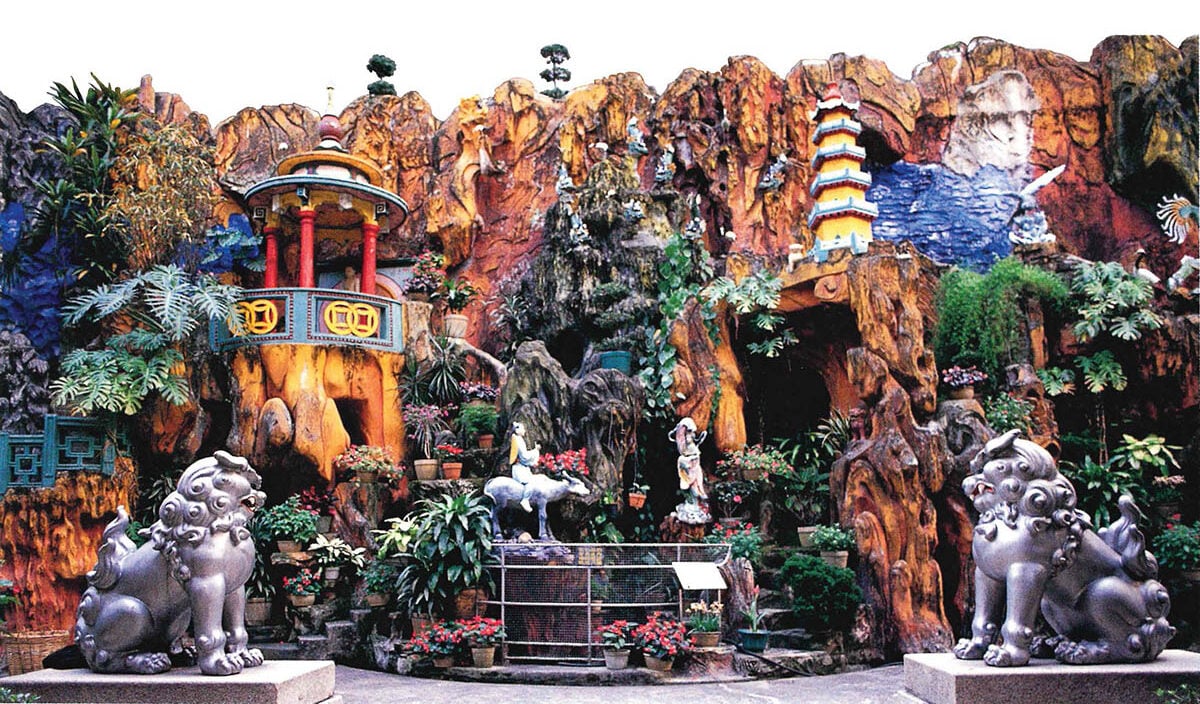
Tiger Balm Garden Wall (Source: designspectrum.hk)
Over the decades, the estate underwent multiple transformations. Following Aw’s passing in 1954, sections of the gardens were sold and redeveloped, later reimagined as an amusement park before being demolished in 2004. While much of the original landscape disappeared, the mansion itself was preserved, and was passed to the Hong Kong SAR Government in 2001 who later designated the site as a Grade I historic building. It was subsequently revitalised as Haw Par Music, a cultural initiative that aimed to integrate music and arts programmes for the broader Hong Kong community.
In this next chapter, Villa Haw Par signals a shift from preservation to active cultural participation, marking the first time the residence will be fully opened as a public cultural space.
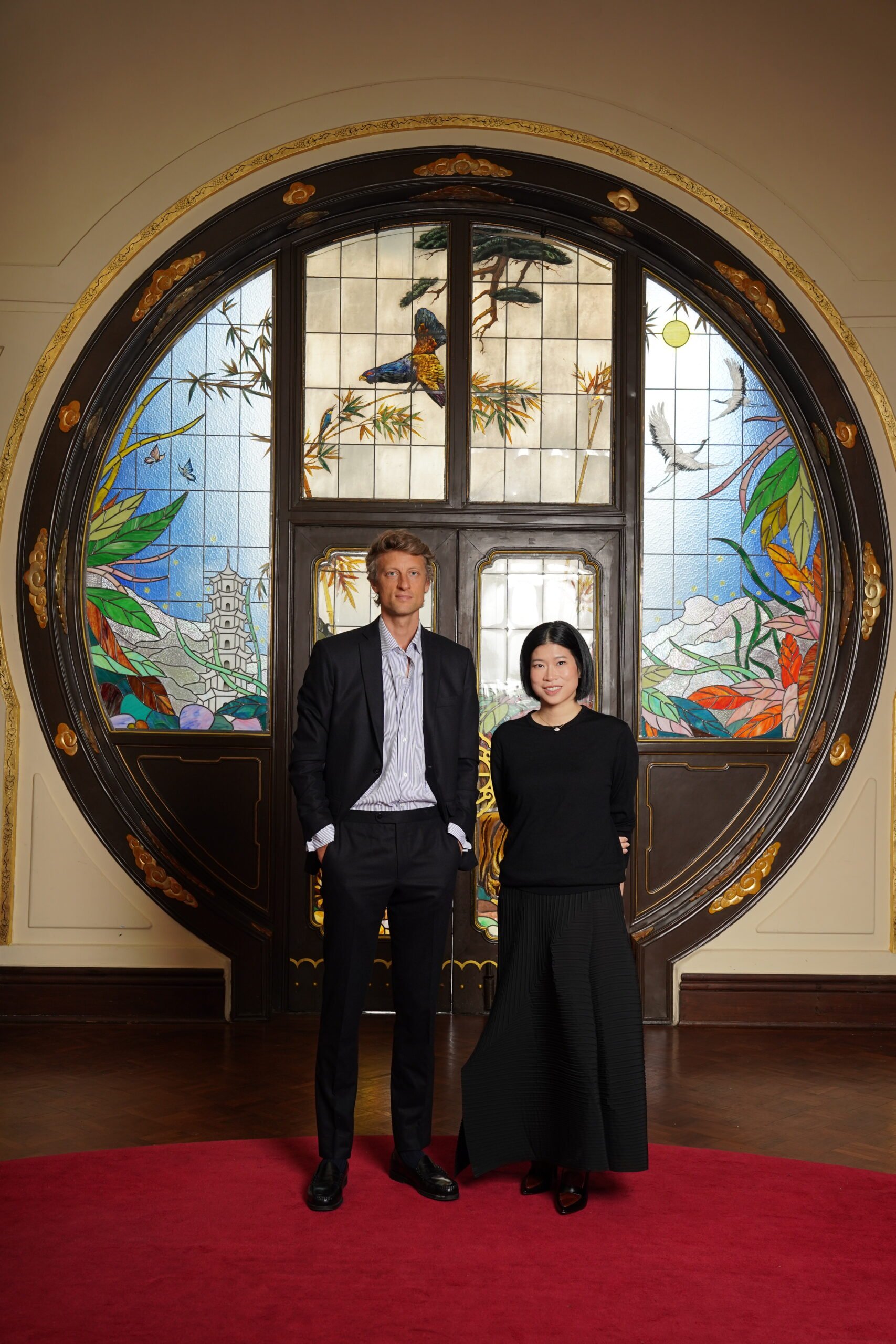
Mr. Arthur de Villepin, Chairman of the Foundation for Art and Culture and CEO of Villepin Group, with Ms. Sara Mao, Executive Director of Villa Haw Par
Under the leadership of Executive Director Sara Mao, the villa will host a year round programme of international exhibitions, artist residencies, cultural dialogues, and educational initiatives. These programmes aim to bridge Hong Kong’s heritage with creative communities across the Greater Bay Area, Asia Pacific, and beyond, reflecting the city’s ambitions to deepen its role as a global cultural hub, where heritage preservation, artistic practice, and cross-cultural dialogue between East and West intersect.
This direction is further reinforced through collaboration with the Consulate General of France in Hong Kong and Macao, which open up new avenues for international exchange and places Villa Haw Par within a broader global cultural context.
The revitalised estate will retain its architectural character through its Art Deco interiors and lush gardens while introducing new cultural layers through immersive installations, a sculpture garden, artist residencies, and spaces such as a tea house and curated retail offering.
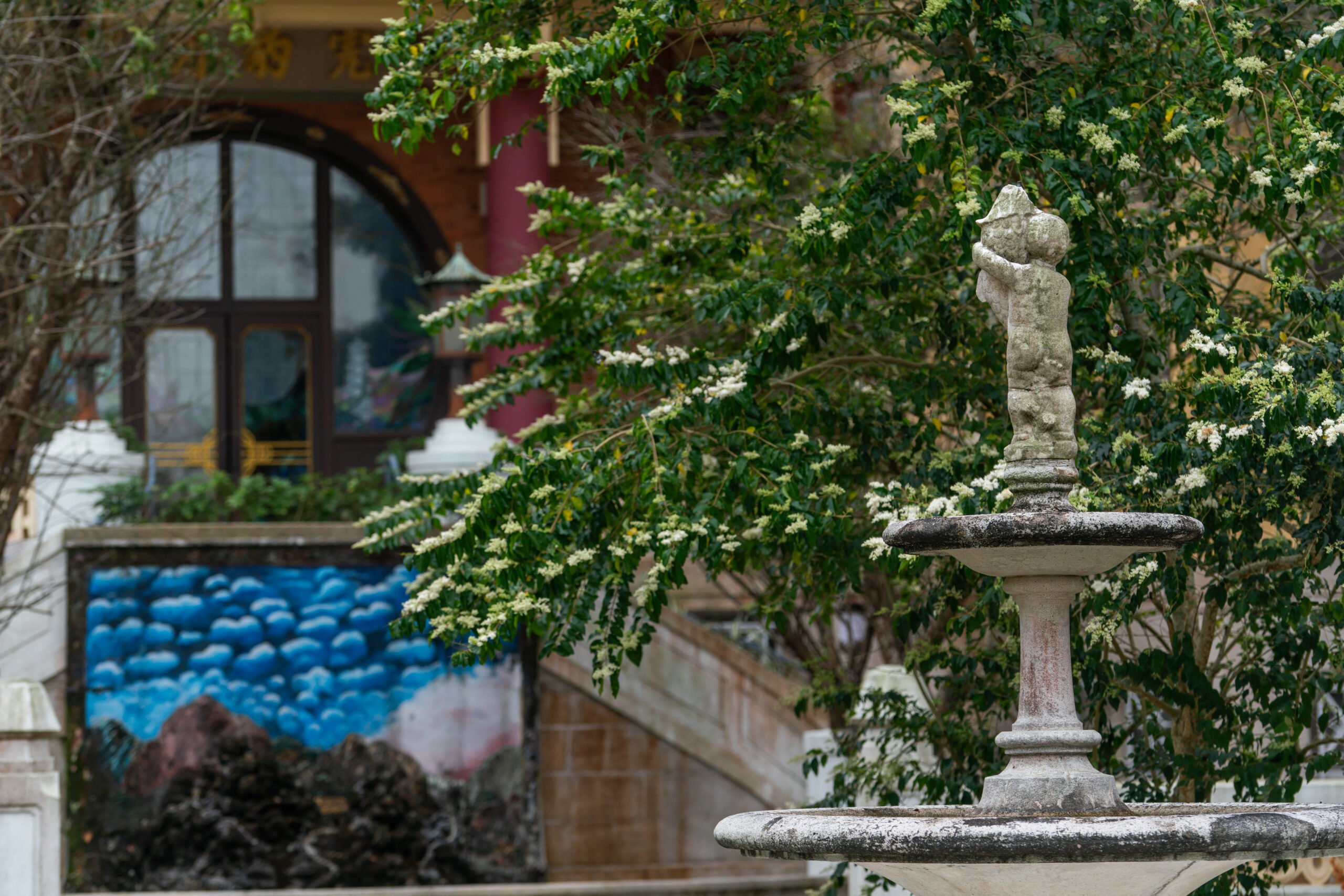
Villa Haw Par – Gardens
As Villa Haw Par prepares for its public opening, it signals more than the unveiling of a historic residence. It reflects a broader rethinking of how heritage can operate within a contemporary city, not as a fixed relic of the past, but as an evolving space shaped by dialogue, creativity, and exchange. In opening its doors, Villa Haw Par brings a once private narrative into the public realm, offering a new way to engage with Hong Kong’s cultural identity as it continues to take form.
* * *
To explore the rich history of Haw Par Mansion and the former Tiger Balm Gardens in greater depth, read our previous article below:
Tiger Balm Garden, Chinese House of Horror, by Emilie El Jaouhari.